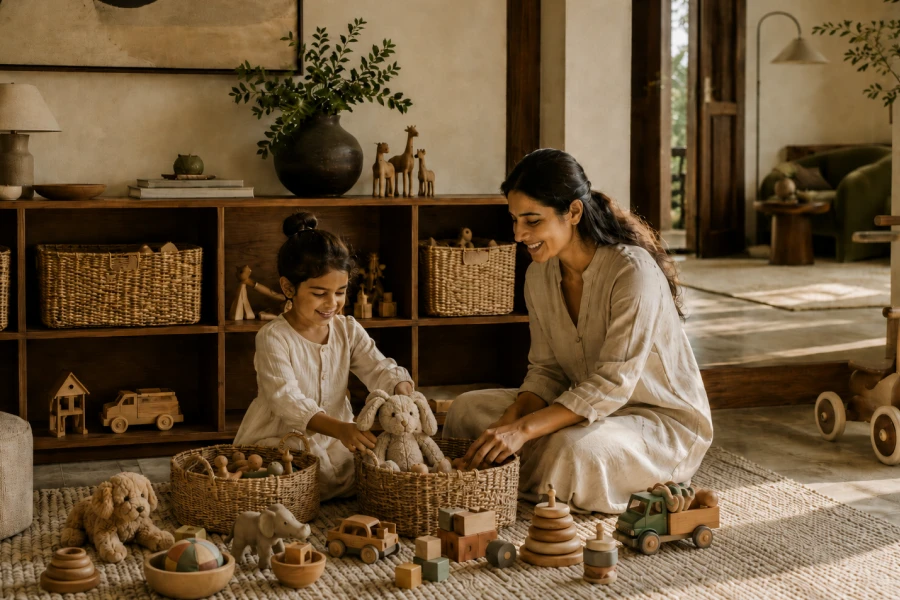
Storage affects much more than how neat a playroom looks. It shapes how safely children move, choose activities, and clean up after themselves. Safe toy storage helps families make play accessible without leaving hidden hazards behind. Heavy furniture, small pieces, overfilled bins, and loose floor clutter all deserve attention. The best systems are simple enough for children to use and secure enough for adults to trust. Start with the furniture before you start filling containers. A safer room gives children more confidence because it makes their choices easier. Good storage protects both the child and the rhythm of the household.
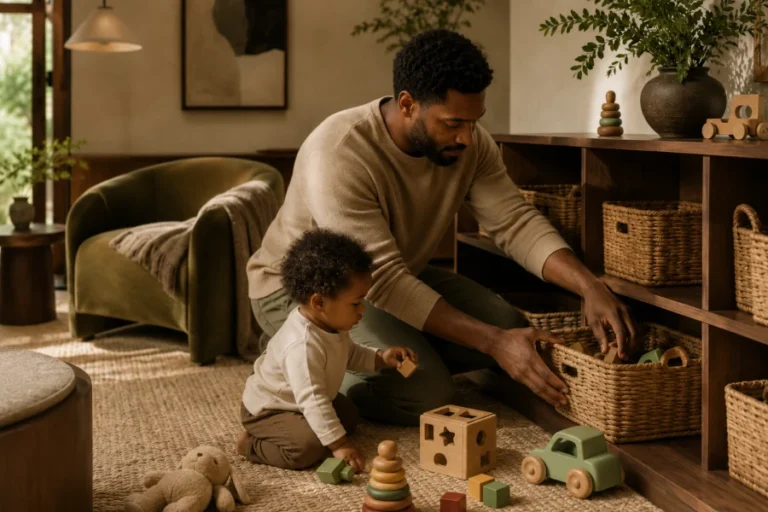
Anchor tall shelving units and storage furniture to the wall whenever possible. Keep heavier baskets and larger toys on lower shelves. Avoid placing tempting objects on top of units that children might try to climb. Use rounded furniture edges when younger children are active in the room. Leave clear walkways between shelves, doors, and activity areas. These choices make a large difference in how the room feels. A secure safe playroom setup begins with furniture that stays steady during real play.
Small pieces need their own reliable boundaries. Keep puzzles, building accessories, beads, and tiny figures inside lidded containers when they are not in use. Store them higher when younger siblings may reach them. Use shallow organizers for older children so pieces stay visible instead of disappearing into deep bins. Check sets regularly for broken parts or missing pieces. A structured toy safety routine helps prevent small objects from drifting into unexpected areas of the home. Clear boundaries make special toys safer and easier to enjoy.
Children grow quickly, and the room should change with them. Keep infant-safe toys separate from older children’s collections. Move tiny pieces higher as crawling and exploring begin. Bring open-ended toys forward when children can use them independently. Review storage after birthdays, holidays, or major developmental changes. Do not assume last year’s layout still works now. A useful age-based toy sorting plan keeps the room responsive to real family needs. Storage should evolve with the child.
A safer playroom is easier to see and move through. Keep the floor open enough for children to change activities without stepping over clutter. Use baskets that do not spill when they are picked up. Place active toys away from doors, stairs, and fragile furniture. Keep cords, chargers, and breakable décor out of the play area. Use clear categories so adults can spot when something has been left out. A well-arranged room gives parents better visibility without making children feel watched constantly. It also makes cleanup much faster after playdates.
Children become more independent when they understand where toys belong. Reachable containers make choosing and returning items feel manageable. Simple categories reduce frustration and help children focus on one activity at a time. Safe toy storage gives adults more breathing room because the room itself supports better habits. The objective is not to create a silent room with nothing happening. It is to create a room that can handle active play and return to order with ease.

Leave a comment